

23 July 2026·11 min read·Toilets
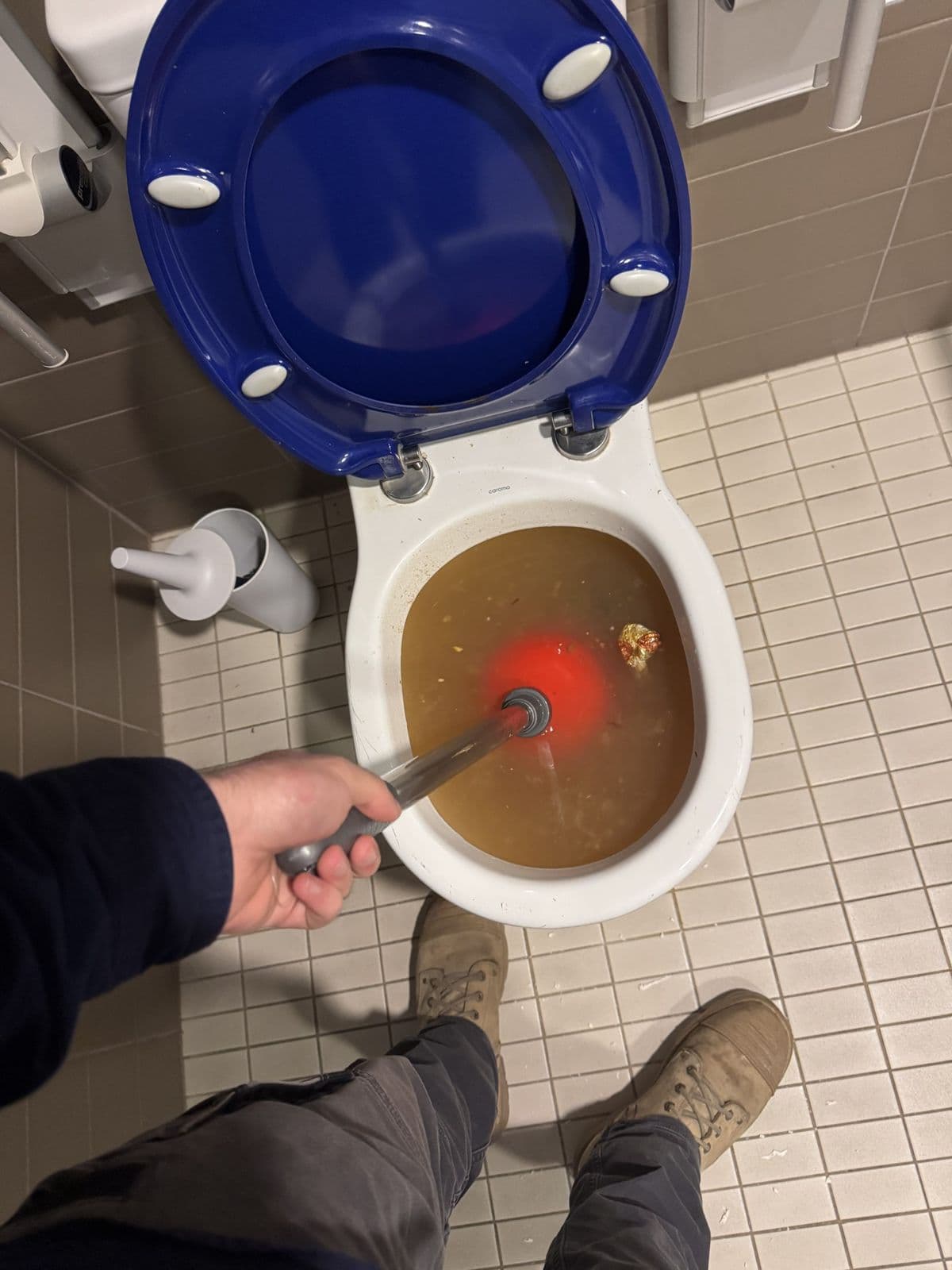
A toilet leaking at the base is one of those problems that looks minor but can quietly destroy the subfloor beneath it. If you have noticed water pooling around the bottom of your toilet after flushing, or a persistent damp patch that keeps coming back no matter how many times you dry it up, the cause is almost always one of a few things: a failed pan collar seal, a cracked porcelain pan, loose floor bolts, or condensation running down and collecting at the base. Southern Sydney homes, particularly older properties across the St George and Sutherland Shire areas, often have ageing rubber-collar seals that harden and fail over time.
Left alone, a toilet base leak will saturate the particle board or timber subfloor beneath the bathroom tiles, leading to rot, mould, and eventually structural movement. That is why this is a same-day call, not a weekend job. This guide covers the main causes, what you can safely check yourself, when to call a licensed plumber, and what the repair is likely to cost in the Sydney area.
Why Is My Toilet Leaking at the Base?
The base of a toilet sits over a floor waste outlet. A collar or seal connects the pan outlet to that waste pipe and stops sewage and water from escaping sideways. When that seal fails or the connection is disturbed, water finds its way out during and after every flush. There are four main causes.
- Failed pan collar or wax ring. The pan collar is the fitting that connects the toilet outlet to the drain. In older Sydney homes, a wax ring or rubber gasket creates the watertight seal. Both harden and compress over years of use, and once they fail the seal is broken.
- Loose floor bolts. Most toilet pans are anchored to the floor with two bolts either side of the base. If these work loose, the pan rocks slightly with every use, which breaks the seal and allows water to seep out.
- Cracked toilet pan. A hairline crack in the porcelain, usually at or near the base, can leak continuously or only under flush pressure. This is less common but more serious because the pan itself needs replacing.
- Condensation pooling at the base. In humid weather, cold water in the cistern can cause condensation to run down the outside of the bowl and collect at the floor line. This mimics a base leak but the source is entirely different.
Which cause you are dealing with determines whether the fix is a bolt tighten or a full pan replacement.
Why a toilet base leak is urgent
A slow toilet leak at the base releases water and, in some cases, sewage gases into the space beneath your bathroom floor. Particle board subfloors, common in Sydney homes built from the 1960s through to the 2000s, absorb moisture quickly and begin to swell, delaminate, and eventually rot. Timber joists and bearers are not far behind. Once the subfloor is compromised, the bathroom tiles above it become unstable and cracked, and the repair bill grows from a few hundred dollars into the thousands.
According to Sydney Water’s water efficiency guidance, even a small household leak can waste thousands of litres per year, and that shows up on your bill. A leaking toilet base adds structural damage on top of that.
If the leak smells at all, sewer gases are escaping through the broken seal. That is a health concern as well as a structural one, and it makes this a call-a-plumber-today job rather than a wait-and-see situation.
DIY checks you can safely do before calling a plumber
Before you book a plumber, a few quick checks can narrow down the cause and give the tradesperson useful information when they arrive.
- Dry the base completely. Wipe up all visible water and dry the floor around the toilet pan. Place a few sheets of paper towel flat against the base. Flush once and watch exactly where water appears first. If it appears during the flush, the seal is likely the culprit. If it appears gradually between flushes, condensation or a cistern overflow may be the source.
- Check for a rocking pan. Gently press down on each side of the toilet with your hand. If the pan moves at all, the floor bolts are loose or missing. Do not flush a rocking toilet repeatedly: every rock widens the gap in the seal.
- Check the cistern connection. Run your hand along the pipe or hose that connects the cistern to the wall supply. A drip from that connection can run down and pool at the base, mimicking a pan seal failure.
- Look for cracks. Use a torch to inspect the base of the pan carefully, both at the floor line and along the back. Hairline cracks are often only visible when the porcelain is dry and the light is at an angle.
If the rocking test reveals movement, you can try tightening the floor bolts yourself with a spanner. Do not overtighten: porcelain cracks under too much pressure. If tightening stops the rock and the leak does not return, you may have solved it. In most other cases, the seal itself needs replacing, which requires lifting the pan, and that is a job for a licensed plumber.
When to call a licensed plumber for a toilet base leak
Call a plumber if any of the following apply:
- The leak persists after you tighten the floor bolts.
- The pan rocks even after tightening.
- There is any odour coming from around the base.
- You can see a crack in the pan.
- The floor feels soft or spongy near the toilet, which points to subfloor damage already underway.
- The leak has been present for more than a day or two.
Replacing a pan collar seal requires lifting the entire toilet off its base, clearing the old seal, fitting a new collar or wax ring, and re-setting the pan. Under the NSW Fair Trading plumbing licensing rules, any work that involves a sanitary drain connection must be carried out by a licensed plumber. Doing it yourself and later selling the property can create compliance problems at settlement.
EKORP Plumbing’s leaking toilet and tap repair service covers pan collar replacements, pan swaps, and cistern repairs across the St George and Sutherland Shire areas, with same-day availability for urgent leaks.
Toilet base leak repair costs in Sydney (2026 price guide)
Repair costs depend on the cause. A bolt tighten takes minutes and costs little beyond the call-out. A full pan replacement, particularly where subfloor damage has already set in, is a bigger job. The table below gives indicative price ranges for southern Sydney in 2026. All figures are approximate and vary by property access, toilet model, and whether subfloor repairs are also needed.
For broader context on plumbing call-out costs in the area, the St George plumber call-out fees guide breaks down what affects the base rate.
If you are unsure whether the floor has already been damaged, EKORP Plumbing can run a water leak detection check to locate moisture under tiles before any lifting begins, which avoids unnecessary disruption.
Pan collar vs wax ring: what is used in Australian toilets?
Australian plumbing differs from North American practice. In the United States, a wax ring is the standard seal between the toilet and the floor flange. In Australia, the more common fitting is a rubber pan collar, which fits over the pan outlet and into the floor waste. Both do the same job: a watertight, gas-tight seal between the pan and the drain.
Requirements can vary by property and authority. We will help you confirm what applies before work begins. When a plumber replaces your seal, they are working to this standard.
Some older Sydney properties, particularly pre-1980 homes in suburbs like Rockdale, Hurstville, and Kogarah, may have P-trap or S-trap configurations that use different collar sizes. A licensed plumber will identify the correct fitting before starting work. EKORP Plumbing’s team handles these older configurations regularly across the Bayside and Georges River council areas.
For more on how the outlet seal connects to broader drainage, the post on replacing the toilet outlet pipe seal in Sydney covers the fitting types in detail.
Does a leaking toilet base affect my water bill?
A leaking toilet base may or may not show up on your water bill, depending on where the water is going. If the leak is releasing water that would otherwise go down the drain, your consumption figures may not change much. But if the toilet is also running continuously (a separate issue, often a faulty flapper or inlet valve), you can lose thousands of litres per month before you notice on a bill.
A sudden unexplained spike in a Sydney Water bill is often the first sign a toilet or tap is leaking somewhere. If that sounds familiar, the water leak detection service can pinpoint the source before it turns into a subfloor problem.
You can also do a quick meter check: read your water meter before bed and again in the morning without using any water overnight. If the reading has moved, there is a leak somewhere in the property.
Running toilet and base leak at the same time
Both problems tend to show up together in older toilets. If your toilet runs continuously between flushes, the inlet valve or flapper seat is usually the cause. That is a separate repair to the base seal, but a plumber attending for the base leak can check and fix both in the same visit.
For a full walkthrough of flush faults and running cisterns, the guide on how to fix a toilet that won’t flush in Sydney covers cistern components, float valves, and flush buttons in detail.
If you have had multiple toilet faults in a short period, it might be time to look at replacing the whole suite. The guide to toilet types in Australia compares close-coupled, wall-hung, and back-to-wall options for Sydney homes.
Is water around the base of the toilet always a plumbing leak?
Not always. Condensation is a genuine alternative cause, particularly in summer when cold water in the cistern creates a temperature difference with humid bathroom air. The moisture condenses on the outside of the cistern and bowl, runs down, and puddles at the floor line.
To tell the difference, dry the toilet completely and place paper towels at the base. Do not flush for 20 to 30 minutes. If water appears without a flush, condensation is likely. If water only appears after flushing, the seal or pan is almost certainly the source.
Persistent condensation is more common in poorly ventilated bathrooms. Improving the exhaust fan or adding an insulating cistern liner can help. Neither fix is a plumbing repair in the traditional sense, but both are worth addressing before they cause floor damage of their own. For related reading on drain smells and moisture issues that can be confused with toilet leaks, the post on sewer smell in Sydney bathrooms covers the overlap in more detail.
What is the pan collar seal on a toilet?
The pan collar seal is the rubber fitting that connects the base of a toilet pan to the floor waste outlet. It creates a watertight and gas-tight junction between the porcelain and the drain. When the collar hardens, cracks, or is disturbed by a rocking pan, sewage water and gases can escape at floor level. Replacing it requires lifting the entire toilet, which is licensed plumbing work in NSW.
How much does it cost to fix a toilet leaking at the base in Sydney?
We inspect the job and confirm the price before work begins. Subfloor repairs, if moisture damage has already set in, are a separate building cost that can run from a few hundred dollars into the thousands depending on how far the damage has spread.
Can I replace a toilet pan collar seal myself?
Under NSW plumbing law, any work that involves connecting or disconnecting a sanitary drain, which includes lifting a toilet off its base, must be carried out by a licensed plumber. Doing the work yourself is not only legally non-compliant but can also void your home insurance if water damage results from an unlicensed repair. A licensed plumber can usually complete the job in under two hours.
How do I know if my toilet base leak has damaged the subfloor?
Press gently on the floor tiles directly around the toilet base. If any tiles feel soft, springy, or have visible grout cracking in a ring around the pan, subfloor damage is likely underway. A soft or spongy floor is a strong sign that the particle board or timber beneath has absorbed moisture. In that case, the plumber may lift the toilet and find the subfloor needs attention from a builder or tiler before the new seal can go down.
Where EKORP Plumbing Fits
EKORP Plumbing is the southern Sydney team for toilet repairs, pan collar replacements, and urgent base leak jobs. Whether the fix is a new seal, a replacement pan, or a full bathroom renovation to address long-ignored water damage, the team handles it under one licence. As licensed Sydney plumbers operating around the clock, EKORP Plumbing can attend the same day for urgent leaks. Call or book online to get the job sorted.
EKORP Plumbing · Bayside Plaza, Brighton-Le-Sands NSW 2216 · 02 8667 5354 · Mon–Fri 7AM–5PM, 24/7 emergency · NSW Plumbing Lic 322223C
 EKORP PlumbingNSW Plumbing Licence 322223C