

- Home
- Residential Plumbing
- Thermostatic Mixing Valves Sydney
Residential plumbing · Thermostatic mixing valves
Thermostatic Mixing Valves Sydney
Need help with thermostatic mixing valves? EKORP services Sydney's south. Call to discuss the property, the work and current availability.
Where’s the job?
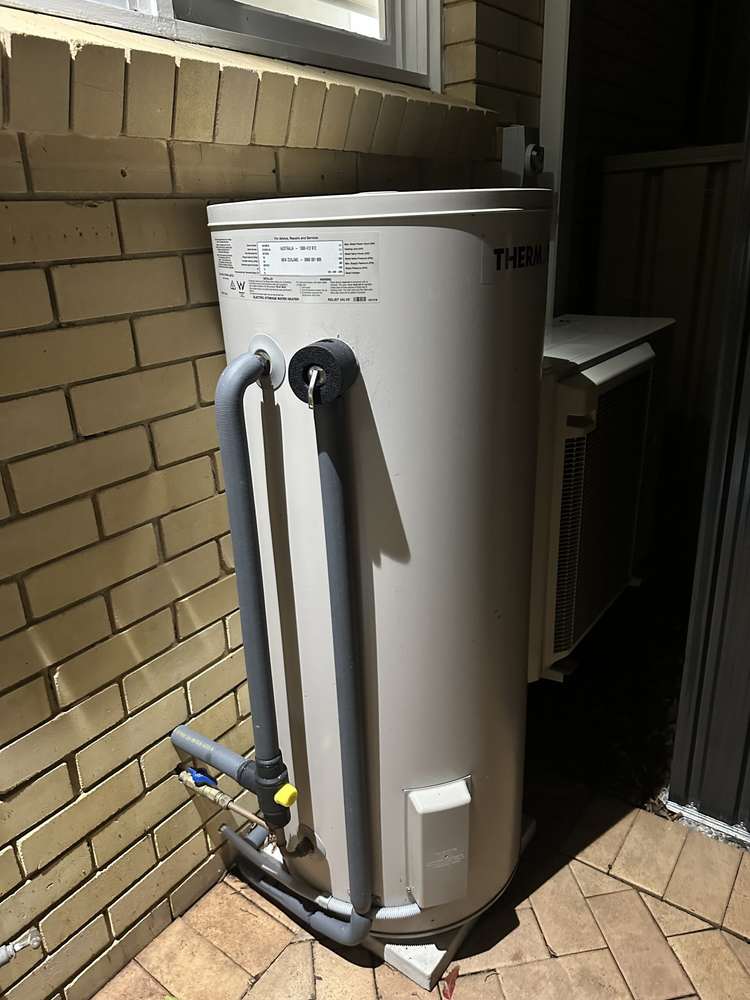
A thermostatic mixing valve is the piece of brass standing between your hot water system and a scald. Storage tanks need to run at 60°C or higher to control Legionella, but water that hot burns skin in seconds, so NSW regulations cap what reaches your bathroom taps at 50°C. The TMV is what makes both numbers possible at once.
EKORP installs, tests and repairs TMVs in homes across Sydney's south. Certified TMV technicians handle the lot: specifying the right valve, installing it to standard, running the post-installation temperature test, and coming back annually to keep it compliant.
What a thermostatic mixing valve does
A TMV blends hot and cold water to a preset temperature and holds it there automatically. Inside the valve, a thermal element expands and contracts with water temperature, adjusting the hot-to-cold ratio in a balanced mixing chamber, no electricity involved. Someone flushes a toilet mid-shower and the valve corrects before you feel it.
The part that matters most is the failsafe: if the cold supply is lost, a quality TMV closes the hot port automatically so scalding water never reaches the outlet. Requirements can vary by property and authority. We will help you confirm what applies before work begins.
Types of TMVs for Sydney homes
Which valve suits your place depends on the fixture, the water pressure at the property and who uses the hot water. TMV2 valves are the domestic benchmark, tested and certified for showers, baths and basins in a typical family home. TMV3 valves carry tighter tolerances and faster failsafe response for healthcare and aged-care settings. We confirm compatibility with your hot water system before any valve is ordered.
- TMV2 valves for domestic bathrooms and basins
- Thermostatic shower mixers that hold a set temperature
- Under-sink TMVs protecting a single outlet
- Hot water system TMVs tempering the whole property
Where scald risk lives in a home
Any hot water outlet can carry a TMV, but some earn one faster than others. Kitchen hot water can cause serious burns in under two seconds, and children have thinner skin: at 60°C a serious scald is possible in under a second. Shared bathrooms, ensuites, kitchen sinks and forgotten laundry taps running at full storage temperature are the usual install points.
If more than one outlet needs protection, we inspect the whole hot water layout and tell you whether point-of-use valves or one master tempering valve at the unit is the smarter fit.
Installed to AS 4032.3 and AS/NZS 3500
TMV installation is licensed plumbing work in NSW, and properly reason: an incorrectly installed valve can provide no scald protection at all. Every install follows the same process, finishing with a temperature test at the outlet and the results in writing.
- Initial assessment of fixtures and supply pressure
- Requirements can vary by property and authority. We will help you confirm what applies before work begins.
- Pressure balancing before commissioning
- Post-installation temperature testing, documented
Annual testing and warning signs
Requirements can vary by property and authority. We will help you confirm what applies before work begins. With proper maintenance a quality valve typically lasts 5 to 7 years before internal components need replacement, with full replacement generally recommended after 10 to 15 years.
Fluctuating shower temperature, reduced flow, chattering noises or drips around the valve body all say the same thing: book a test before the valve fails hot. We inspect the job and confirm the price before work begins.
Call us to explain what is happening. We will confirm availability and any callout charge before booking.
Call 02 8667 5354Contact us →What to expect
What to expect from our thermostatic mixing valves service.
We inspect the problem, explain the options and confirm the price before work begins.
We check the plumbing and identify what is causing the issue before recommending work.
You get a clear explanation of the available repairs and what each option involves.
We provide the price before work begins and speak with you before changing the agreed scope.
“From booking to completion, everything ran smoothly. The work was carried out efficiently, problems were identified and handled on the spot, and the end result was exactly what we hoped for. Clean finish, clear communication, and fair pricing. Wouldn’t hesitate to use again.”
“Emilio was prompt and professional. He quickly assessed the issue with our hot water system and had Nik come and fix it in no time. We highly recommend for anyone needing any plumbing assistance!”
“EKORP stepped in immediately with no fuss. Within less than an hour, they’d contacted my real estate agent and had a plumber (Nick) show up at my door. What could have been very stressful was made smooth and easy.”
“Quick response and turn around. Completed the job as per description and left the area tidy.”
“We had some water pressure issues. The young fellow who came around was polite, courteous and knew exactly what we needed and proceeded to fix the problem with no fuss at all.”
“If we need a plumber we call Emilio! Friendly and polite plumbers. Good work done ASAP, usually with a follow up call.”
“Great communication, fast service and Emilio was lovely to deal with and got the job done. Thanks guys!”
“The EKORP plumbing team are highly professional and prompt in their communications. … Polite, friendly service, answered questions appropriately.”
Questions
Common questions about thermostatic mixing valves.
Here are clear answers to common questions. Call us if you need help with something else.
What exactly is a thermostatic mixing valve and how does it differ from standard mixer taps?
A thermostatic mixing valve automatically blends hot and cold water to maintain a precise pre-set temperature regardless of pressure or temperature fluctuations in your water supply. Unlike standard mixer taps that require manual adjustment when conditions change, thermostatic shower mixers maintain consistent temperature even when someone flushes a toilet or turns on another tap elsewhere in your home. The key practical difference is that a TMV reacts to temperature changes automatically, without any input from the person using the fixture.
How do I know if my home needs thermostatic mixing valves?
Your home would benefit from thermostatic mixing valves if you have children or elderly residents; if your hot water unit is set above 50°C for Legionella control; if you experience significant temperature fluctuations during showers; if you have ever felt a sudden burst of scalding water from a tap; or if you are renovating bathrooms. TMV installation is also worth considering in any home where the water heater is more than ten years old, as older systems are less likely to include built-in tempering valves.
At what temperature should I set my thermostatic mixing valve?
For most residential applications, thermostatic mixing valves should be set to deliver water between 38°C and 50°C at the outlet. For shower and bath fixtures, 41 to 43°C provides comfortable bathing temperature while maintaining a margin below the scald threshold. Basin TMVs are sometimes set slightly lower at 38 to 40°C. Under NSW regulations, water delivered to bathrooms must not exceed 50°C. Your hot water storage unit should remain at 60°C or higher for Legionella control, with the TMV in the delivery line handling the temperature reduction.
Can I install a thermostatic mixing valve myself or is installation required?
Thermostatic mixing valve installation must be carried out by a licensed plumber. Requirements can vary by property and authority. We will help you confirm what applies before work begins. An incorrectly installed TMV can fail to provide any scald protection or, in the worst case, allow water temperatures above the intended maximum to reach the outlet.
Is there a difference between TMV2 and TMV3 thermostatic mixing valves for residential use?
TMV2 valves are tested and certified for domestic use and provide the level of scald protection appropriate for most residential properties. TMV3 valves are tested to a higher standard with tighter temperature tolerances and faster failsafe response times, making them the required specification for healthcare facilities, aged-care settings and other high-risk environments. For a typical family home, TMV2 valves installed by a licensed plumber provide robust protection. If your property is used as a supported accommodation or NDIS registered facility, the requirement for TMV3 should be confirmed with us before installation proceeds.
How often should thermostatic mixing valves be serviced or replaced?
Requirements can vary by property and authority. We will help you confirm what applies before work begins. This annual inspection confirms the valve is still delivering water within the correct temperature range. With proper maintenance, a quality valve typically lasts 5 to 7 years before internal components need replacement. Full valve replacement is generally recommended after 10 to 15 years, depending on local water quality, usage patterns and the results of annual testing.

Emergency plumbing available 24/7