

16 July 2026·11 min read·Drains Sewers
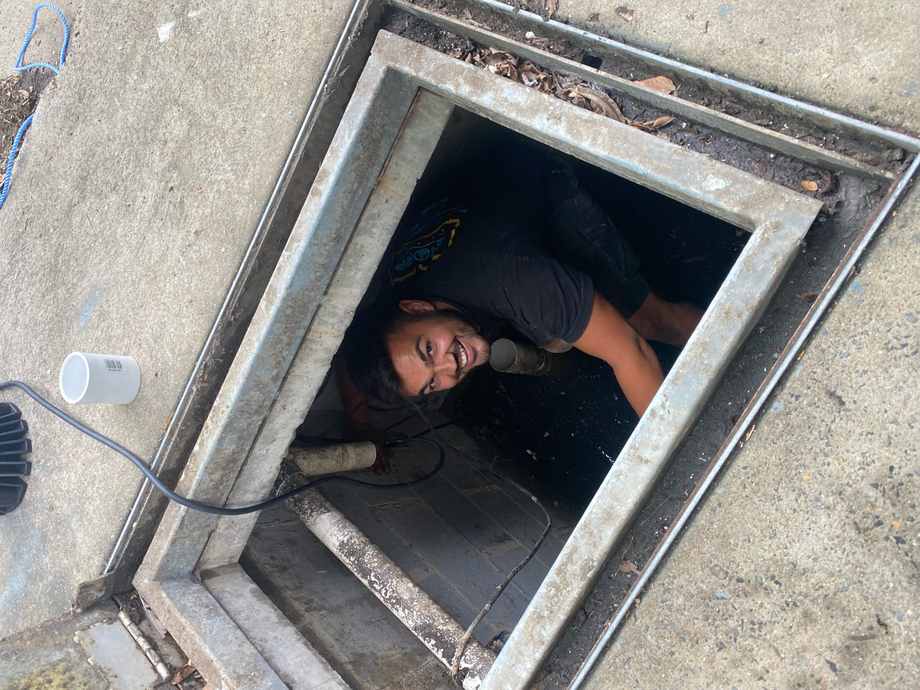
A gully trap is a small, ground-level drainage fitting that collects wastewater from household fixtures, such as laundry tubs, bathroom floor wastes, and overflow relief pipes, and connects it to the underground sewer system. It sits outside the external wall of a home, usually at ground level, and acts as the last point of contact between your household drainage and the sewer. If you have noticed a soggy patch of ground near your back wall, or a foul smell coming from a grated fitting in your yard, you have likely found your gully trap. EKORP Plumbing sees blocked and overflowing gully traps regularly across southern Sydney, and they are more preventable than most homeowners realise.
What Does a Gully Trap Do?
The gully trap has two jobs. First, it receives the wastewater discharge from fixtures that are not directly connected to the internal soil stack, such as floor wastes, laundry drains, and the overflow relief gully (ORG) pipe that runs from the sewer. Second, it maintains a water seal inside the trap, which stops sewer gases from rising back up through the drainage line and into or around the home.
Think of it as a one-way valve that also keeps the air fresh. Water sits in the curved section of the fitting at all times. That standing water is the gas barrier. When the trap dries out through evaporation or disuse, the seal breaks and sewer odour escapes, which is often the first sign homeowners notice before any visible overflow.
The fitting itself is typically a precast concrete or PVC unit with a grated lid. Older properties across the St George and Sutherland Shire areas often have the original clay-and-concrete gully traps, which are more prone to cracking and root intrusion than the modern PVC equivalents.
Why Is My Gully Trap Overflowing?
An overflowing gully trap nearly always has one of five causes: the grate or body is blocked, the drain line downstream is blocked, roots have got into the pipe, the sewer is surcharging, or a pipe has collapsed. Each has a different fix.
- Blocked gully grate or body: leaves, lint, grease, and garden debris collect in the opening over time. The grate blocks first, then the body of the trap fills up. This is the most common cause and the easiest to fix.
- Blockage further down the drain line: if the pipe running from the gully to the sewer junction is blocked by grease, roots, or a collapsed section, wastewater backs up and overflows at the gully because it has nowhere else to go.
- Root intrusion: tree roots seek moisture and crack their way into clay pipes or the trap body itself. A root mass in the line causes blockages that clear temporarily but return within weeks.
- Sewer surcharge from Sydney Water’s network: in heavy rain, the sewer can surcharge and push wastewater back toward your property. The overflow relief gully exists precisely for this reason, to overflow at a controlled external point before anything backs up inside the house.
- Collapsed or crushed pipe: ground movement, heavy vehicle traffic, or simple age can collapse the pipe connecting the gully to the sewer. Water has nowhere to flow and backs up straight away.
If your gully trap overflows during or immediately after rain events, sewer surcharge or a stormwater intrusion issue is the likely cause. If it overflows regardless of weather, a blockage in the line is more probable.
What Are Gully Trap Height and Overflow Relief Regulations in NSW?
Requirements can vary by property and authority. We will help you confirm what applies before work begins. The top of the ORG grate has to be at least 150 mm below the overflow level of the lowest fixture inside the home (often a shower floor waste), and at least 75 mm above the surrounding ground, or finished level with paving where it sits in a path. That way, if the sewer surcharges, wastewater escapes through the gully in the yard before it can flood a bathroom or laundry inside.
The grate of an ORG must also sit clear of external paving to allow unrestricted overflow. Paving that has been built up over the years, or a gully trap installed too deep during a renovation, can mean the overflow path no longer works as designed. This is a compliance issue that a licensed plumber must correct.
Requirements can vary by property and authority. We will help you confirm what applies before work begins.
Can a Homeowner Clear a Gully Trap Themselves?
Clearing the grate and the top section of the gully trap body is something most homeowners can do safely. Remove the grate, scoop out any debris, flush the trap with a bucket of water, and replace the grate. If the trap refills with water and drains away normally, the grate was the only blockage.
Beyond the top section, leave it to a licensed plumber. Here is why:
- Removing the gully trap body means cutting into the drainage line. That is licensed work under NSW plumbing regulations and requires a Certificate of Compliance on completion.
- Chemical drain cleaners poured into a gully trap can damage PVC fittings and the surrounding soil. They also do nothing for root intrusions or collapsed pipes.
- If the blockage is further down the line, a drain snake or high-pressure jet blaster is needed. Using either without the right training can damage the pipe.
- An overflowing gully trap is sometimes a symptom of a bigger problem, such as a root mass or a failing pipe section, that you can not see from the surface. Clearing the surface blockage without finding the cause means it comes back. A CCTV camera is the only way to know for sure what is going on downstream.
For a blocked drain that is more than surface-level, a CCTV drain inspection is often the most efficient first step, because it shows exactly where and what the blockage is before any digging or pipe work starts.
What Does a Gully Trap Smell Mean?
A sulphur or rotten-egg smell from around the gully trap usually points to one of two things. Either the water seal inside the trap has dried out, or the trap itself is cracked and leaking sewer gas into the surrounding soil, which then rises through paving gaps.
A dried-out trap is easy to fix: pour a bucket of water into the gully to restore the seal. If the smell returns within a day or two, the water is evaporating faster than the trap is being used, or the trap is cracked. Our post on sewer smell in bathrooms and outdoor areas walks through the diagnostic steps.
A cracked gully trap body or a split in the connecting pipe allows sewer gas to escape constantly regardless of the water level inside the trap. This needs physical repair or replacement of the fitting.
Gully Trap Problem: DIY vs Licensed Plumber
How Much Does It Cost to Fix a Gully Trap in Sydney?
We inspect the job and confirm the price before work begins. Drain cleaning costs in the St George and Georges River area are broken down in a dedicated guide if you want the full picture.
If the gully trap itself needs replacing because it is cracked or collapsed, the cost is higher, as it involves excavation around the fitting, cutting out the old unit, fitting the new one, and making the connection watertight. We inspect the job and confirm the price before work begins.
For persistent or recurring blockages caused by roots, pipe relining is often cheaper over time than repeated digging and patching.
When Is a Blocked Gully Trap an Emergency?
A gully trap overflow is inconvenient, but it becomes urgent when wastewater is pooling close to the home’s foundation or there is a risk of it entering the building. Raw sewage on or near the property is a health hazard and can attract insects, contaminate soil, and damage paving or the external wall where pooling water sits against it.
If your gully trap is overflowing continuously, especially with dark or foul-smelling water, call a plumber promptly rather than waiting. EKORP Plumbing offers emergency plumbing services across southern Sydney around the clock. For the five early warning signs that your drains are building toward a blockage, our post on drain blockage warning signs is a useful read before things reach overflow point.
Properties in the St George and Sutherland Shire areas that have older clay or earthenware drainage systems are at higher risk of recurring gully trap problems. Root intrusion, ground movement, and pipe age combine to make these systems more vulnerable. A blocked drains assessment from a licensed plumber, ideally with CCTV, can give you a clear picture of what is going on underground.
Is a Gully Trap the Same as a Floor Waste?
No, though the two are related. A floor waste is an internal drain, usually set into a bathroom, laundry, or kitchen floor, that collects spilt water and channels it into the drainage system. A gully trap is an external fitting at ground level, outside the building, that receives the discharge from multiple internal drains and connects the household drainage network to the underground sewer. The floor waste feeds water into the system; the gully trap is the external junction point between that system and the sewer.
Some older homes in southern Sydney have a single external gully trap receiving the discharge of the laundry, bathroom, and kitchen combined. Newer plumbing layouts are more likely to have multiple gully traps, each dedicated to a section of the home, which reduces the impact of one blockage on the whole system.
For context on how the broader drain network connects, our post on common blocked drain patterns in Sydney homes explains the typical layout and where blockages are most likely to occur.
Does Sewer Smell from the Gully Trap Mean a Cracked Pipe?
Not always. A persistent sewer smell from around the gully trap can mean the water seal inside the trap has dried out through lack of use, the grate is damaged and allowing soil gas to surface, or the trap body or a nearby pipe section has cracked. To tell the difference, pour a full bucket of water into the gully and wait 24 hours. If the smell clears and stays gone, the trap just needed its seal restored. If the smell returns within a day or two, there is likely a crack or a drainage fault that needs physical inspection by a licensed plumber.
How Often Should I Check My Gully Trap?
A visual check twice a year is a reasonable habit for most southern Sydney homes, particularly before and after winter, when heavy rain and leaf fall cause the most grate blockages. Homes surrounded by large trees, especially eucalypts and fig trees common across the Sutherland Shire, are worth checking quarterly. As part of a broader annual plumbing maintenance checklist, the gully trap takes about two minutes to inspect and can prevent a much more expensive blocked drain call-out. Sewer repair costs increase significantly once a blockage has caused backpressure damage to fittings or connecting pipes.
What Is the Difference Between a Gully Trap and an Overflow Relief Gully?
A standard gully trap receives and passes wastewater under normal operating conditions. An overflow relief gully (ORG) is a specific type of gully trap, installed at a deliberately low height relative to the building’s internal fixtures, so that in a sewer surcharge event the ORG overflows outside before wastewater can back up inside the home. Every residential property connected to a Sydney Water sewer should have at least one ORG. Requirements can vary by property and authority. We will help you confirm what applies before work begins. If yours has been buried by paving or landscaping works over the years, it may no longer function as designed, which is a compliance and safety problem.
What is a gully trap?
A gully trap is a ground-level external drainage fitting that collects wastewater from household fixtures such as laundry tubs, floor wastes, and overflow relief pipes, then channels it into the underground sewer. It also holds a water seal that prevents sewer gases from rising back through the drainage line.
Can I clear a blocked gully trap myself?
You can safely clear debris from the grate surface and flush the top section of the trap with a bucket of water. If the trap drains normally after that, the grate was the blockage. Any work beyond the top section, including removing the trap body or clearing the downstream drain line, is licensed plumbing work under NSW regulations and requires a Certificate of Compliance.
Where EKORP Plumbing Fits
EKORP Plumbing handles gully trap blockages, replacements, CCTV drain inspections, and sewer repairs across Brighton-Le-Sands, Rockdale, Kogarah, Hurstville, and the wider southern Sydney area. A quick grate clear, a CCTV run to find a root mass, a full pipe reline: the team does all of it and issues a Certificate of Compliance for any work that requires one.
Requirements can vary by property and authority. We will help you confirm what applies before work begins. As licensed Sydney plumbers under NSW Plumbing Lic 322223C, EKORP Plumbing can handle everything from a surface clean to a full drain replacement.
To book a gully trap inspection or blocked drain assessment, call 02 8667 5354, available 24 hours, or use the contact page to send a job request.
EKORP Plumbing · Bayside Plaza, Brighton-Le-Sands NSW 2216 · 02 8667 5354 · Mon–Fri 7AM–5PM, 24/7 emergency · NSW Plumbing Lic 322223C
 EKORP PlumbingNSW Plumbing Licence 322223C