

4 June 2026·12 min read·Hot Water
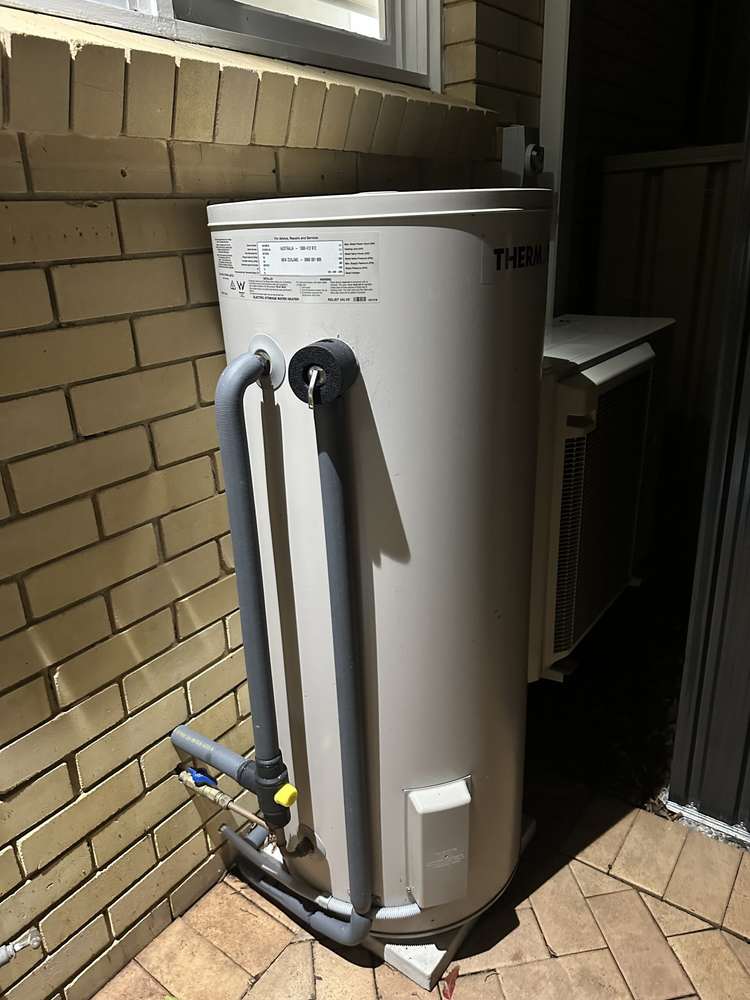
If you are looking at a heat pump hot water rebate in NSW, the Energy Savings Scheme (ESS) and federal small-scale technology certificates (STCs) can cut your upfront cost considerably when you switch to a heat pump hot water system in southern Sydney. The exact saving depends on your installer, your climate zone, and the model you choose, so this post explains how both incentives work, what a heat pump system is likely to cost after rebates, and how running costs compare to gas. EKORP Plumbing installs and commissions heat pump hot water systems across the St George and Sutherland Shire areas, so the figures here reflect what local homeowners are paying.
What Is a Heat Pump Hot Water System?
A heat pump water heater works the same way a reverse-cycle air conditioner does: it pulls heat from the surrounding air and transfers it to the water in a storage tank. Because it moves heat rather than generating it, a heat pump can deliver three to four units of heating energy for every unit of electricity it consumes. That ratio is called the coefficient of performance (COP), and it is why heat pumps sit at the efficient end of hot water technology.
Unlike solar hot water, a heat pump does not need direct sun. It does need reasonably open outdoor air, so roof-only installations are rare. Most units sit beside or behind the house, close to where existing hot water pipes run.
How Does the NSW Energy Savings Scheme Discount Work?
The NSW Energy Savings Scheme (ESS) creates financial incentives for households and businesses to upgrade to more efficient appliances. When you replace an electric resistance or gas storage hot water system with a heat pump, an accredited certificate provider calculates the projected energy savings and issues energy saving certificates (ESCs). The installer typically buys those certificates from you upfront, reducing your out-of-pocket cost at the point of sale.
The dollar value of an ESC moves with the market, so the discount is not fixed. We inspect the job and confirm the price before work begins. The discount still takes a solid chunk off the price.
To claim the ESS discount, your installer must be an accredited ESS provider or must work through one. Ask any installer quoting your job whether they are set up to apply the ESS benefit directly to your invoice.
What Are Small-Scale Technology Certificates (STCs)?
Federal small-scale technology certificates (STCs) are a separate incentive under the Renewable Energy Target, administered by the Clean Energy Regulator. Heat pump hot water systems qualify alongside solar panels and solar hot water because they reduce demand from the electricity grid.
The number of STCs your system generates depends on the unit’s rated output, your climate zone, and the years remaining until the scheme phases down (the phase-down runs to 2030). Sydney falls in climate zone 3 for STC purposes. Your installer or their agent will calculate the STC count and typically assign those certificates to a registered agent in exchange for an upfront point-of-sale discount on your system cost.
We inspect the job and confirm the price before work begins. Because the deeming period shrinks every year until the scheme ends in 2030, the same system earns fewer certificates each year, so waiting costs you money on the STC side. Your installer runs the exact certificate count for your chosen model and postcode when they quote.
How Much Does a Heat Pump Hot Water System Cost in Sydney After Rebates?
Supply and installation cost varies by tank size (most homes use 200 L to 315 L), brand, and site conditions. The table below shows the approximate cost range southern Sydney homeowners have been seeing in 2025 and early 2026. These are indicative only. Get at least two quotes from accredited installers.
The rebate benefit is higher when certificate prices are strong and when the model has a high energy efficiency rating. An installer quoting your specific job will confirm the exact discount at the time of installation.
Am I Eligible for the NSW Heat Pump Hot Water Rebate?
Eligibility under the ESS requires that you are replacing an existing electric resistance or gas storage water heater. New builds do not qualify for the same rebate pathway under the standard residential activity. The replacement must be performed by an accredited installer, and the heat pump must appear on the approved product list for the relevant ESS activity.
Key eligibility points:
- You must be replacing an existing water heater, not installing in a new build.
- The old system must be electric resistance or gas storage (not solar or another heat pump).
- Installation must be done by an accredited ESS provider or their nominated sub-contractor.
- The heat pump model must be approved under the relevant ESS residential activity.
- STCs apply regardless of ESS eligibility, provided the system meets the clean energy regulator’s product requirements.
- From December 2025, systems installed under the ESS must carry at least a 5-year warranty on both the heat pump unit and the tank.
If you are unsure whether your current system qualifies, an EKORP Plumbing assessment will confirm what is on-site before you commit to a quote. Our hot water plumbing service in Sydney covers supply, installation, and decommissioning of your old unit.
Heat Pump Hot Water vs Gas: How Do Running Costs Compare?
The running cost comparison between a heat pump and a gas storage or continuous flow system depends on your local gas tariff, your electricity tariff, and whether you have solar panels. The table below uses Sydney-area typical tariffs as a reference. Your actual saving will vary.
A heat pump typically uses 60-75% less electricity than an equivalent electric resistance system. Against gas, the saving depends on gas prices in your area. With Sydney’s gas network supply charges rising in recent years, many households that move from gas storage to a heat pump have reported meaningful reductions in their combined energy bill. See our gas water heater vs electric comparison for a deeper look at that choice.
Does a Heat Pump Work Well in Sydney’s Climate?
Yes. Sydney’s mild winters mean heat pumps operate efficiently year-round. The units lose some efficiency in very cold overnight temperatures, but southern Sydney rarely sees prolonged cold snaps that would push the unit into its backup electric element for extended periods. Coastal suburbs in the St George and Bayside areas are generally well suited to heat pump operation.
Most manufacturers specify a minimum ambient temperature (often around 5 to 7 degrees Celsius) below which the heat pump switches to a backup element. In Sydney, that threshold is rarely breached overnight for more than a few weeks in winter.
What Does Heat Pump Hot Water Installation Involve?
A standard heat pump replacement in an existing home covers these steps:
- Decommission and remove the old water heater.
- Install the new heat pump tank and compressor unit in a suitable outdoor or semi-outdoor location with adequate air clearance.
- Connect the water supply and outlet, making any necessary pipe modifications.
- Connect the electrical supply (heat pump units require a dedicated 15 A circuit in most cases).
- Commission the system, check the pressure relief valve, and set the thermostat.
- If applicable, register the STC assignment with the installer’s certificate agent.
The job typically takes half a day to a full day, depending on site complexity. Our guide to hot water system installation in Sydney covers what to expect on the day in more detail. If you are also considering solar hot water, our solar hot water system guide for Sydney covers how the two technologies compare.
How Do I Choose the Right Heat Pump Model?
Four things drive the decision: household size, available installation space, electricity tariff structure, and whether you have solar panels.
- Household size: A 200 L tank suits one to two people. A 250 L tank suits three to four people. A 315 L tank suits four to five people or households with high hot water use.
- Space: The compressor unit needs clear air on at least two sides. Tight side passages can restrict airflow and reduce efficiency.
- Tariff: If you are on a time-of-use electricity plan, programming the heat pump to run during off-peak or solar export hours reduces running costs further.
- Solar: Heat pumps are a natural match for rooftop solar. Running the heat pump during the middle of the day, when your panels are exporting, means you are heating water at near-zero marginal cost.
Our hot water system buying guide for Sydney homes walks through all the options, including how to weigh up heat pump against continuous flow gas. If your existing system is ageing, our hot water repairs vs replacement guide can help you decide whether it is worth fixing first.
Is There Extra Help for Low-Income Households in NSW?
The standard ESS and STC discounts above are open to all NSW households, including landlords and renters with the owner’s consent. Beyond that, the NSW Government runs the Social Housing Energy Performance Initiative, which funds heat pump hot water and other upgrades, but it is limited to social housing properties and tenants cannot apply for it directly. There is no separate NSW grant that gives private low-income homeowners a deeper heat pump subsidy than the ESS discount everyone else receives. Households doing it tough can still claim bill-assistance rebates such as the Low Income Household Rebate, though those help with energy bills rather than the cost of the unit. Program rules change, so check energy.nsw.gov.au/households for the current position.
The federal government also periodically updates the STC multiplier and scheme rules. Your installer will have current information on any additional state or federal assistance available at the time of your quote.
Can EKORP Plumbing Handle the Installation?
EKORP Plumbing is a licensed NSW plumbing contractor (NSW Plumbing Lic 322223C) covering the St George, Bayside, and Sutherland Shire areas. Our team handles the full hot water replacement: disconnection, installation, commissioning, and electrical coordination where a licensed electrician is needed for the dedicated circuit. We work with accredited ESS providers to ensure the rebate discount is applied correctly at the point of installation.
You can also reach out through our general plumbing services page if you want to discuss your current setup before committing to a system. For booking, call or visit our contact page.
Does the NSW Rebate Apply to Commercial Properties?
The ESS covers both residential and commercial installations, though the activities and certificate calculations differ. This post focuses on residential households in southern Sydney. Commercial property owners should discuss the specific ESS commercial pathway with an accredited provider, as the calculation method and eligible activities are separate from the residential residential activity described above.
How Long Does a Heat Pump Hot Water System Last?
Heat pump water heaters typically carry a manufacturer warranty of 5 to 10 years on the tank and 2 to 5 years on the compressor, though this varies by brand. With routine maintenance (checking the sacrificial anode every 3 to 5 years), a heat pump unit can last 10 to 15 years. That is broadly comparable to a quality gas storage or electric resistance system. Our guide to why hot water systems burst explains how anode condition and water quality affect lifespan.
What Is the Payback Period for a Heat Pump After Rebates?
The payback period depends on the net cost after rebates and the annual running cost saving. Based on the cost and running cost ranges in the tables above, households replacing an electric resistance system have seen payback periods of roughly 3 to 6 years at Sydney electricity prices. Households replacing gas storage in areas with higher gas supply charges may see payback closer to 4 to 8 years, though that figure is sensitive to future gas tariff movements. These are indicative figures: your installer can model the payback for your specific system and tariff when quoting.
How much is the heat pump hot water rebate in NSW?
The NSW Energy Savings Scheme (ESS) rebate varies with the current price of energy saving certificates and the model you install. Combined with federal small-scale technology certificates (STCs), total discounts on residential heat pump systems have ranged from several hundred to over a thousand dollars at the point of sale. Your accredited installer will confirm the exact rebate at the time of quote.
Can I get a heat pump hot water rebate for a new build in NSW?
The standard ESS residential rebate pathway applies to replacing an existing electric resistance or gas storage water heater, not to new builds. New build eligibility is treated differently under the scheme. If you are building a new home, ask your installer about any applicable federal STC incentives and check the current ESS activity list at energy.nsw.gov.au for any new-build provisions.
How much does heat pump hot water installation cost in Sydney after rebates?
We inspect the job and confirm the price before work begins. These are indicative figures for 2025 and 2026.
Is a heat pump hot water system cheaper to run than gas in Sydney?
For most Sydney households, yes. A heat pump typically uses 60 to 75 percent less electricity than an electric resistance system and, at current tariffs, can cost less to run annually than gas storage when Sydney’s rising gas network supply charges are factored in. The exact saving depends on your electricity tariff, gas tariff, and whether you have rooftop solar.
Does a heat pump hot water system work in Sydney’s winter?
Yes. Sydney’s climate is well suited to heat pump operation. The units switch to a backup electric element when ambient temperatures drop below roughly 5 to 7 degrees Celsius, but southern Sydney rarely experiences sustained cold snaps at that level. Efficiency is highest in the warmer months and remains good throughout winter in the St George and Sutherland Shire areas.
Where EKORP Plumbing Fits
EKORP Plumbing installs heat pump hot water systems across southern Sydney, including Brighton-Le-Sands, Rockdale, Kogarah, Hurstville, Cronulla, and surrounding suburbs. If your hot water system is due for replacement, or if you want to understand exactly what the NSW Energy Savings Scheme discount means for your specific job, we can walk you through it before you commit.
As licensed Sydney plumbers with experience across the full range of hot water systems, we give you a straight answer on which option suits your home, your budget, and your energy goals.
EKORP Plumbing · Bayside Plaza, Brighton-Le-Sands NSW 2216 · 02 8667 5354 · Mon–Fri 7AM–5PM, 24/7 emergency · NSW Plumbing Lic 322223C
Call us or send a booking request and we will confirm availability and pricing for your heat pump upgrade.
 EKORP PlumbingNSW Plumbing Licence 322223C