

11 June 2026·11 min read·Hot Water
If you are replacing a hot water system in southern Sydney and are not sure whether to go instantaneous or storage, the answer mostly comes down to household size, fuel type, and whether you have ever stood under a cold shower waiting for the tank to reheat. This guide covers the real differences, running costs, and which type fits which home.
What Is an Instantaneous Hot Water System?
An instantaneous hot water system, also called a continuous flow or on-demand system, heats water only when you open a tap. There is no storage tank. Cold water passes through a heat exchanger and arrives at the tap hot within a few seconds. Gas instantaneous units are the most common type installed in Australian homes, though electric and heat pump continuous-flow units also exist.
The main attraction is that you cannot run out of hot water mid-shower, because the system keeps heating as long as the tap is open. The trade-off is a higher upfront cost and a minimum flow rate requirement: most units need at least 1.5 to 2 litres per minute before they fire up, which can occasionally cause issues with low-pressure taps.
What Is a Storage Hot Water System?
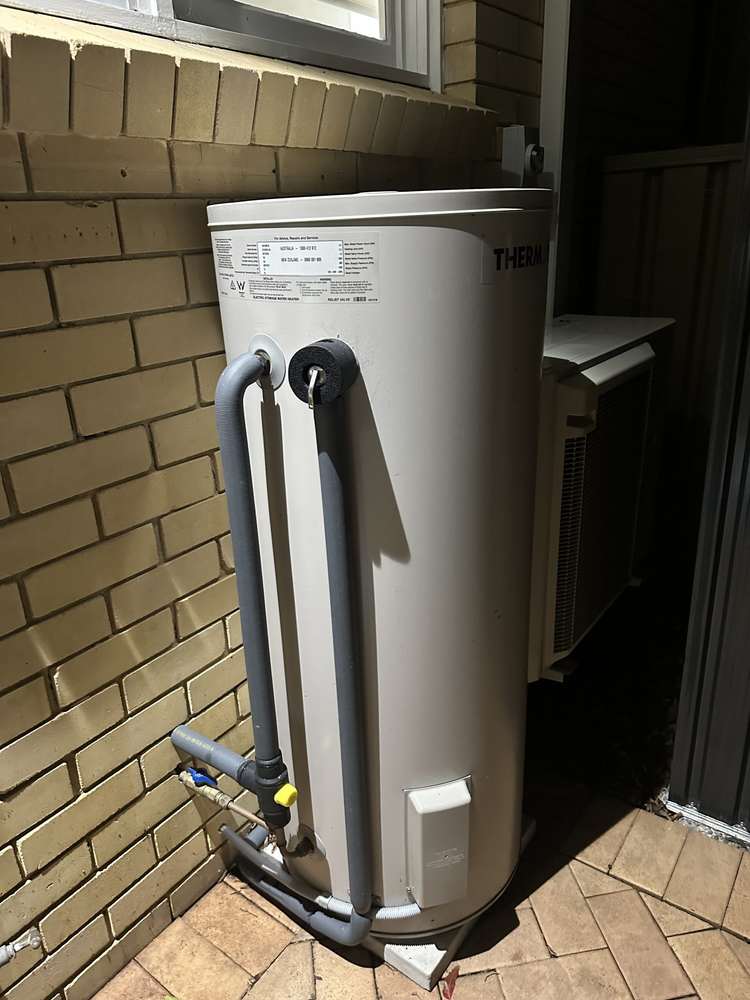
A storage system heats a fixed volume of water (commonly 125 to 400 litres) and holds it hot in an insulated tank until it is needed. Storage units run on gas, electric, electric off-peak (controlled load), or solar. They are generally cheaper to purchase and install than continuous flow units, and they work at any flow rate without a minimum threshold.
The limitation is capacity. If a large household uses more hot water than the tank holds in a short period, the next person gets lukewarm water until the tank reheats. Tank size must match household demand, or you pay the same running costs while still running short. If you want to know whether your existing storage system is worth keeping or replacing, the guide on hot water repairs vs replacement covers the decision in detail.
Instantaneous vs Storage Hot Water: Full Comparison
The table below runs through the main comparison points for a southern Sydney household.
Cost ranges are indicative for southern Sydney and the Sutherland Shire area. Actual quotes depend on existing gas line routing, hot water location, and flue requirements. EKORP Plumbing can inspect your setup and provide a fixed-price scope before any work begins.
Which System Suits Your Household Size?
Household size drives the decision more than anything else. A family of five running multiple showers in the morning will exhaust a 125-litre storage tank before everyone is done. A single-person apartment does not need a 26-litre-per-minute continuous flow unit either. Below is a general sizing guide for gas continuous flow, the most common type EKORP Plumbing installs across St George and the Sutherland Shire.
- 1 to 2 people: 16 litres per minute continuous flow, or a 125 to 160-litre storage tank.
- 3 to 4 people: 20 litres per minute continuous flow, or a 200 to 250-litre storage tank.
- 5 to 6 people: 26 litres per minute continuous flow, or a 315 to 400-litre storage tank.
- High-demand (multiple bathrooms running simultaneously): Two continuous flow units in parallel, or an oversized storage system.
These figures assume one shower at a time for continuous flow. Running two showers simultaneously on a 16-litre unit will drop temperature. A complete hot water system buying guide for Sydney homes walks through how to match output to demand in more detail, including brand comparisons.
How Do Running Costs Compare Between Continuous Flow and Storage?
Gas continuous flow systems heat only the water you use, so there is no standby energy loss from keeping a tank warm. For a household on a standard gas tariff, this typically means lower annual running costs than a gas storage system of equivalent output. The Australian Government’s YourHome guide on hot water systems notes that gas continuous flow systems are among the most efficient gas options available, though exact savings depend on household usage patterns and local gas tariff rates.
Electric storage systems can compete on running cost if they run on a controlled-load (off-peak) tariff, because the cheaper overnight rate offsets the standby losses. Electric continuous flow systems are generally expensive to run because they draw a high kW load instantly and typically pay the standard tariff rate. Sydney Water’s data on household water use shows that hot water accounts for a significant share of a home’s total water draw, which is why efficiency choice matters over the life of the unit.
For homeowners who want to cut both energy and water costs, a heat pump system is a third option worth considering. NSW residents may be eligible for significant rebates on heat pump upgrades through the Energy Savings Scheme. The post on heat pump hot water rebates in NSW covers current eligibility and how the federal small-scale technology certificate discount works on top.
Gas vs Electric: Which Fuel Type Works Best for Instantaneous Hot Water?
If your home has a natural gas connection, gas continuous flow is almost always the preferred choice for an instantaneous unit. Gas heaters recover fast, running costs are predictable, and the units have a longer service life than most electric alternatives. The post on gas water heater vs electric compares the two fuel types across cost, availability, and environmental impact if you want to go deeper on that question.
If your home does not have gas or you are moving away from gas, electric continuous flow units exist but draw very high amperage (often 24 kW to 36 kW) and need dedicated wiring and a large circuit breaker. For all-electric homes, a heat pump storage system usually offers a better balance of upfront cost, running cost, and hot water supply than an electric continuous flow unit. EKORP Plumbing holds NSW Plumbing Lic 322223C and works alongside licensed electricians to assess what your switchboard and wiring can support before recommending a system.
What Are the Signs Your Hot Water System Needs Replacing?
Whether you have a continuous flow or storage unit, certain symptoms point to replacement rather than repair. Knowing these early can save you from a cold-water emergency at the worst possible time. The guide on what your hot water system is trying to tell you covers the warning signs in full, but the core indicators are listed below.
- Water takes longer than usual to reach temperature at the tap.
- You notice rust or discolouration in the hot water.
- The unit is making banging, popping, or gurgling sounds.
- Visible corrosion or moisture around the unit or tank base.
- Repeated pilot light outages on a gas unit.
- The system is more than 10 years old for storage, or more than 15 years for continuous flow.
- Your energy bills have increased without a change in usage.
If you are seeing any of these signs, the article on why hot water systems burst in Sydney explains what causes a unit to fail suddenly and how close an ageing system may be to that point. Booking an inspection early is cheaper than an emergency call-out.
Can I Switch From Storage to Continuous Flow (or Vice Versa)?
Yes, but the conversion involves more than swapping the unit. Moving from a storage to a continuous flow gas system requires checking your gas meter capacity and line size, fitting or adjusting the flue, and confirming water pressure meets the unit’s minimum requirement. Moving from continuous flow back to a tank requires floor or wall space, a different flue arrangement, and potentially an anode rod and pressure-relief valve setup that differs from the continuous flow installation.
All hot water replacements and upgrades in NSW require a licensed plumber. EKORP Plumbing handles installation, the certificate of compliance, and council notifications where required under the NSW Plumbing and Drainage Act 2011. You can reach the team through the hot water plumbing services page for a quote, or call through to discuss your existing setup.
How Much Does It Cost to Install a Continuous Flow Hot Water System in Sydney?
We inspect the job and confirm the price before work begins. For a like-for-like swap in the same location, the lower end applies. For a full system change or relocation, expect costs toward the higher end.
We inspect the job and confirm the price before work begins. If you need a rough cost breakdown before calling anyone, the Sutherland Shire plumbing cost guide for 2026 gives a fuller breakdown of what different jobs typically cost across the region. EKORP Plumbing provides fixed-price quotes on general plumbing services so there are clear pricing on the day.
Is an Instantaneous Hot Water System Worth It?
For most gas-connected Sydney homes with three or more people, yes. The unlimited supply eliminates the risk of cold showers, the absence of standby heat loss cuts annual running costs, and the longer lifespan (15 to 20 years versus 8 to 12 for storage) means fewer replacements over time. The higher upfront cost is offset over five to seven years through lower running costs in most households.
For smaller households, renters who pay electricity only, or homes without a gas connection, a storage system on an off-peak electric tariff or a heat pump unit can offer a lower total cost of ownership. The right answer is always household-specific, which is why EKORP Plumbing assesses your existing infrastructure before recommending a unit rather than defaulting to one type. If you are working through the decision, the hot water system installation guide for Sydney explains what the installation process looks like from assessment to compliance sign-off.
Does an Instantaneous System Work With Solar?
Gas continuous flow units do not interact with solar panels. If you want to use solar energy for hot water, you need either a solar hot water collector and storage tank system, or a heat pump storage unit combined with solar panels (since heat pumps run on electricity). The post on solar hot water systems in Sydney outlines how collector-based systems work and when they make financial sense, including the effect of Sydney’s climate on collector output.
Where EKORP Plumbing Fits
EKORP Plumbing installs and services both instantaneous and storage hot water systems across the St George, Bayside, and Sutherland Shire areas. As licensed Sydney plumbers, the team assesses your gas supply, water pressure, and household demand to recommend the right unit and flow rate, then handles the installation and compliance paperwork in a single visit where possible.
If your current unit is failing or you are planning a bathroom renovation that includes a hot water upgrade, contact EKORP Plumbing for a fixed-price scope before committing to a system.
EKORP Plumbing · Bayside Plaza, Brighton-Le-Sands NSW 2216 · 02 8667 5354 · Mon–Fri 7AM–5PM, 24/7 emergency · NSW Plumbing Lic 322223C
Get a quote or book an inspection
Is a continuous flow system good for a 2-person household?
Yes, a 16-litre-per-minute continuous flow gas unit suits a 1 to 2-person household well. The running cost advantage over storage is smaller at low usage, so the decision often comes down to space and whether you prefer to avoid ever running short of hot water. An off-peak electric storage tank can also be a cost-effective option for a small household if the tariff structure suits your usage pattern.
How long does an instantaneous hot water system last?
A well-maintained gas instantaneous system typically lasts 15 to 20 years, which is noticeably longer than a standard glass-lined storage tank at 8 to 12 years. Longevity depends on water quality, servicing frequency, and whether the unit is sized correctly for the household. In areas with hard water, the heat exchanger may need periodic descaling to maintain efficiency and prevent premature failure.
Can I get rebates on a new instantaneous hot water system in NSW?
Standard gas continuous flow systems do not attract NSW Energy Savings Scheme rebates, which are currently focused on heat pump and solar hot water upgrades. If rebates are a priority, a heat pump storage system is the most rebate-eligible option under current NSW and federal schemes. The post on heat pump hot water rebates in NSW explains how the Energy Savings Scheme discount and federal small-scale technology certificates combine to reduce your out-of-pocket cost.
What flow rate do I need for a continuous flow hot water system?
Flow rate is measured in litres per minute and should be chosen based on how many hot water outlets you expect to run at the same time. For a single shower at a time, a 16 to 20-litre-per-minute unit covers most households up to four people. If you regularly run a shower and a dishwasher simultaneously, step up to a 26-litre-per-minute unit or consider two units in parallel. Undersizing is the most common installation mistake and results in temperature drop when demand exceeds capacity.
 EKORP PlumbingNSW Plumbing Licence 322223C