

4 December 2025·8 min read·Hot Water
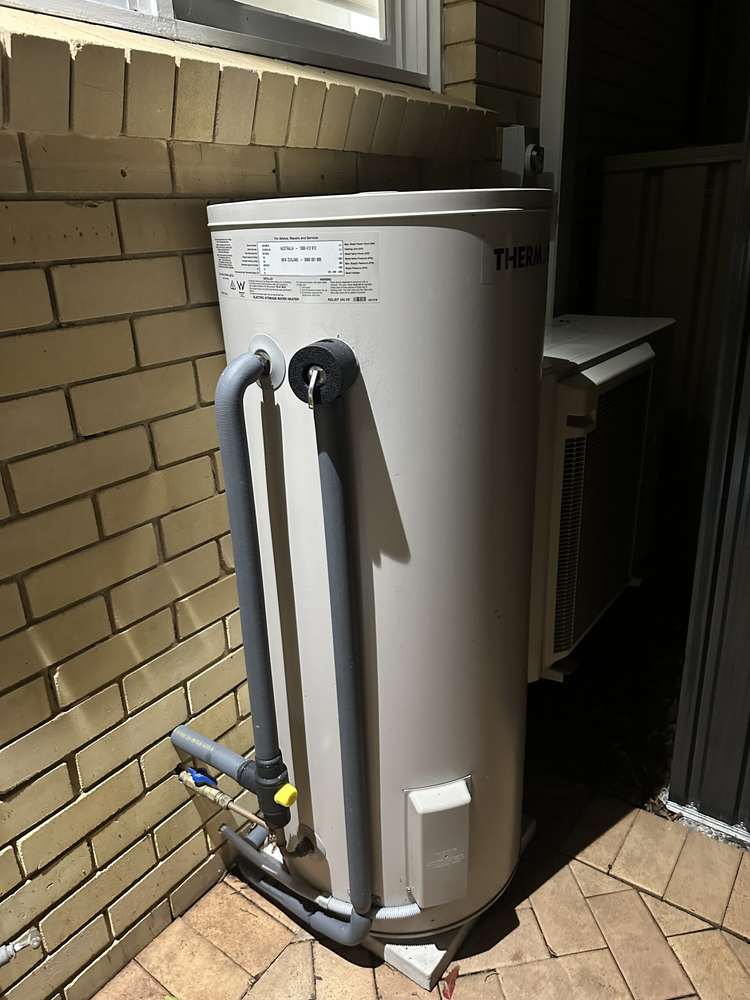
Types of Hot Water Systems Available in Sydney
Sydney homes have four main options when it comes to hot water. Each one suits a different budget, household size, and property setup.
Gas Hot Water Systems
- Storage gas: Keeps a tank of hot water ready to go. Good for families with consistent demand throughout the day.
- Continuous flow (instantaneous) gas: Heats water only when you turn the tap on. No tank, no standby heat loss, no running out mid-shower.
- Worth knowing: You need an existing gas connection. If the house has no gas, the new line adds to the job cost. EKORP Plumbing (Lic 322223C) handles gas hot water installation across Sydney under our licensed gas fitting scope.
Electric Hot Water Systems
- The cheapest unit to buy and the quickest to install.
- Running costs are steep because Sydney electricity prices have kept climbing. Requirements can vary by property and authority. We will help you confirm what applies before work begins.
Solar Hot Water Systems
- Collectors on the roof do most of the heating during the day. A gas or electric booster handles cloudy stretches.
- Federal STCs and NSW Energy Efficiency Scheme (ESS) credits can knock a decent chunk off the upfront price.
- Needs decent roof space and a north-facing or west-facing aspect to work at full capacity.
Heat Pump Hot Water Systems
- Pulls warmth from the surrounding air to heat water, similar in principle to a fridge working in reverse. Uses roughly a third of the electricity a standard element would.
- Works well in Sydney’s mild climate year round.
- Units can be a bit noisy, so placement away from bedroom windows is worth thinking about.
Gas vs Electric Hot Water: Which Is Best for Sydney Homes?
Most homeowners land on this question first. Here is a straight comparison for 2026.
Gas vs Electric Hot Water Comparison (Sydney 2026)
- We inspect the job and confirm the price before work begins.
- Running costs: Gas tariffs in Sydney are currently well below peak electricity rates, so gas wins on the quarterly bill
- Efficiency: Instantaneous gas scores highest among fuel-burning units because it heats only what you use
- Lifespan: Electric storage 8 to 12 years | Gas storage 10 to 15 years | Instantaneous gas 15 to 20 years
Key Takeaways for Sydney Homes
- Gas costs less to run per year and keeps up with high demand without breaking a sweat.
- Electric storage is the simplest install but often ends up costing more over a 10-year stretch.
- Solar and heat pump sit above both on efficiency. If budget allows, they pay themselves back through lower bills and available rebates.
Hot Water Installation Requirements in Sydney
Hot water installation in NSW is regulated work. Get this wrong and you risk voidng the unit’s warranty, failing a building inspection, or worse.
Licensing Requirements
- Only a licensed plumber can install an electric or solar hot water system in NSW.
- Gas connections and gas hot water units require a licensed gas fitter as well.
- Requirements can vary by property and authority. We will help you confirm what applies before work begins.
Safety Standards (AS/NZS 3500)
- This covers pipe sizing, pressure relief valves, temperature limiting valves, and backflow prevention. None of these are optional.
Placement Rules
- Gas units installed indoors must be properly flueed to expel combustion gases outside.
- Heat pump units need clearance around them for airflow and should not be boxed into tight cupboards.
- Solar collectors need a structural roof assessment before the panel brackets go on.
Council and Strata Approvals
- Straight swap of a like-for-like unit in a house usually needs no development approval.
- Strata buildings and any job that involves relocating the unit or switching fuel type may need written body corporate or council sign-off first.
- EKORP issues compliance certificates on every installation so your paperwork is in order from day one.
Costs of Hot Water System Installation in Sydney (2026)
Prices below cover supply and installation. Every job is different, but these figures give you a realistic starting point.
Hot Water System Cost Guide (Sydney 2026)
Emergency vs Planned Installation
- A hot water system that fails overnight or on a long weekend is going to cost more to replace urgently. Labour rates for after-hours call-outs are higher and stock choice is limited to what is on the truck.
- A planned upgrade lets you shop for rebates, compare brands, and schedule the work at a standard rate. If your unit is over 10 years old, plan ahead rather than waiting for a cold-shower wake-up call.
- EKORP Plumbing provides fixed upfront quotes before any work starts. clear pricing.
Energy Efficiency Ratings and Running Costs
The sticker price of a new unit is only part of the picture. What you pay to run it over 10 years can dwarf the purchase cost, particularly with electric storage.
Understanding Energy Rating Labels
- Australian hot water units carry a star rating. More stars means lower annual running cost.
- Solar and heat pump units typically sit at the top of the star scale. Standard electric storage usually sits at the bottom.
- Compare the estimated annual energy figure on the label, not just the star count, because tank size affects it too.
Running Cost Comparison (Sydney 2026)
Rebates and Incentives
- Small-scale Technology Certificates (STCs): Federal scheme that reduces the purchase price of solar and heat pump systems at point of sale. The discount is built into the quote from a registered installer.
- NSW Energy Efficiency Scheme (ESS): Can provide additional discounts when upgrading from an older, less efficient unit.
- EKORP will confirm what rebates apply to your specific system and circumstances before you commit to anything.
How to Choose the Right Hot Water System for Your Home
No single system suits every property. Work through these four questions and the right answer usually becomes clear.
Household Size and Usage Patterns
- 1 to 2 people: Small electric storage or instantaneous gas handles the load without overspending on capacity.
- 3 to 5 people: Gas storage, instantaneous gas, or heat pump. You want something that can keep up with back-to-back morning showers.
- Shared house or large family: Solar with booster or heat pump will give you the lowest per-person running cost over time.
Available Energy Sources
- Already connected to gas: Gas storage or instantaneous is usually the best all-round value.
- Electric-only property: Heat pump first, solar second, standard electric storage as a last resort.
- Good north-facing roof space: Solar is worth a serious look, especially with current rebates factored in.
Budget and Long-Term Savings
- Tightest upfront budget: Electric storage.
- Middle ground on cost and efficiency: Gas or heat pump.
- Biggest return over 15 or more years: Solar hot water, particularly when STC credits are applied to the purchase price.
Environmental Impact
- Lowest carbon footprint: Solar and heat pump, because they run mostly on renewable energy input.
- Cleaner than standard grid electricity: Gas hot water produces less CO2 per litre of hot water than coal-heavy grid power, though that gap narrows as the grid gets greener.
vs DIY Hot Water Installation
This is not a grey area in NSW. Licensed plumbers and gas fitters only. Full stop.
Why DIY Is Unsafe and Non-Compliant
- Incorrect pressure relief valve sizing or fitting can lead to tank rupture. A poorly connected gas line can cause fire or explosion. Faulty electrical work can cause shock or fire.
- DIY work voids the product warranty and, in the event of water damage or fire, your insurer can refuse to pay out on the claim.
Benefits of Installation
- Compliance certificate issued: Required for insurance, strata, and any future property sale.
- Warranty stays intact: Most manufacturers require licensed installation as a condition of their warranty.
- Correct sizing: A plumber will work out the right tank capacity or flow rate for your actual usage, not just what fits the space.
- Safe connections: Gas, water, and electrical connections done to code, with pressure and temperature valves fitted correctly.
FAQs: Hot Water System Installation in Sydney
How long does installation take?
A straight swap of a storage unit typically takes two to four hours. Converting from electric to gas, or installing solar with roof collectors, is usually a full-day job. EKORP will give you a realistic time estimate when you book.
Do I need council approval for hot water replacement?
A like-for-like replacement at a freestanding house generally does not need development approval. Strata properties, heritage-listed buildings, or jobs that involve relocating the unit or switching fuel type may need approval from the body corporate or local council. Check before you book the work.
How long do hot water systems last?
- Electric storage: 8 to 12 years
- Gas storage: 10 to 15 years
- Instantaneous gas: 15 to 20 years
- Solar and heat pump: 10 to 20 years with regular servicing
Can I replace electric with gas in Sydney?
Yes, provided your property already has a gas meter. If there is no existing gas supply, a new connection through Jemena can be arranged, though it adds to the project cost and lead time.
What is the most energy-efficient hot water system in 2026?
Solar with a gas or electric booster and heat pump systems both sit at the top.
Conclusion
There is no one-size-fits-all answer for hot water in Sydney, but the decision gets straightforward once you factor in your household size, energy source, and what you are willing to spend upfront versus over time.
- Gas and heat pump offer a solid balance of purchase cost and long-term running expense.
- Electric storage is the lowest barrier to entry but costs the most to run year after year.
- Solar is the smartest long-term move for most Sydney homes, especially when rebates bring the purchase price down.
Whatever system you go with, licensed installation is not optional in NSW. It protects your warranty, keeps your insurance valid, and makes sure the work passes inspection.
EKORP Plumbing (Lic 322223C) installs gas, electric, solar, and heat pump hot water systems right across Sydney. Our licensed plumbers carry stock on the truck for same-day emergency replacements, and we provide fixed upfront quotes on all planned installations. Give us a call on 02 8667 5354 to talk through your options.
 EKORP PlumbingNSW Plumbing Licence 322223C